If you’ve ever had a loved one in a skilled nursing facility, you know how overwhelming it can feel at first. There are unfamiliar terms, new routines, and big decisions to make.
What many people don’t realize is that there’s someone walking alongside you through it all: social workers.
With March being National Social Work Month, we want to recognize and celebrate the social workers across Life Care Centers of America who are the steady, understanding voice during some of life’s most vulnerable moments.
When residents enter a skilled nursing facility, whether for short-term rehabilitation or long-term care, social workers step in to help navigate the transition and uncertainties that come with the process.
“The elderly are a vulnerable population, and they need advocates,” said Amanda Polny, director of social services at Life Care Center of Charleston. “A lot of times, they don’t know what’s available to them, so making sure they’re taken care of and have the right resources is our mission.”
This advocacy also extends to residents’ families, who are often navigating new territory. Carol Hunter, social services assistant from Life Care Charleston, described social workers as a central point of contact. They’re someone who may not have every answer but knows how to find it.
Whether it’s explaining care options, coordinating services, or helping residents feel heard, social workers act as a bridge that connects residents, families, and clinical teams to ensure everyone is supported and on the same page.
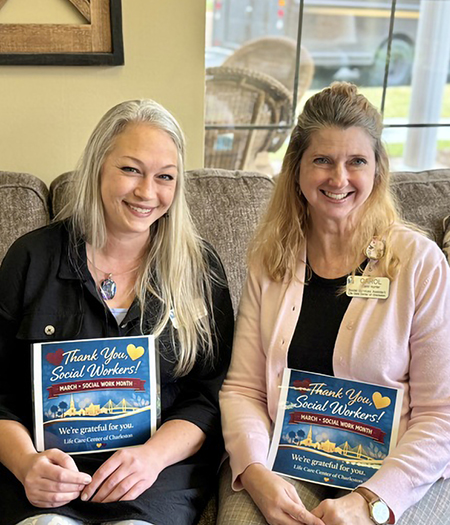
Transitions are a common part of skilled nursing care, and social workers are at the center of them all.
For short-term rehabilitation patients, much of the work focuses on discharge planning, which can include arranging home health services, securing medical equipment, or coordinating follow-up care. Many families are surprised to learn how much support is available to them.
“Sometimes, they come in thinking they have to figure everything out on their own, like getting a wheelchair or setting up care,” Carol added. “But we can help facilitate all of that. It really eases their minds.”
For long-term residents, the focus shifts to helping individuals adjust to a new environment, maintain their quality of life, and ensure their voices are heard in decisions. For social workers, this means participating in care planning meetings, addressing emotional needs, and advocating for resident preferences.
Amber Frazier, a social worker at Parkview Care Center, emphasized the importance of helping residents through the emotional aspect. “Leaving your home and moving into a facility is hard,” she said. “Being there as a listening ear and helping that transition go as smoothly as possible is a big part of what we do.”
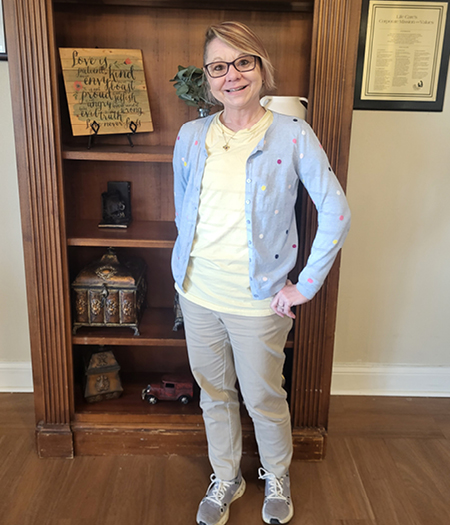
While clinical teams focus on physical health, social workers are attentive to the emotional, social, and psychological well-being of residents.
Social workers help navigate difficult conversations, such as when a resident may not be able to return home safely. They celebrate when someone can transition to a more independent setting but also offer reassurance and comfort when expectations must be adjusted.
“It’s about building relationships,” Amber explained. “You have to have that trust so you can have hard conversations in a supportive way.” This relational aspect is what makes the social work role so vital. Social workers become a familiar presence and someone residents can turn to for comfort, guidance, or simply a conversation.
Brian Sanborn, director of social services at Life Care Center of West Bridgewater, said, “Sometimes, it’s just being there with someone so they’re not alone.”
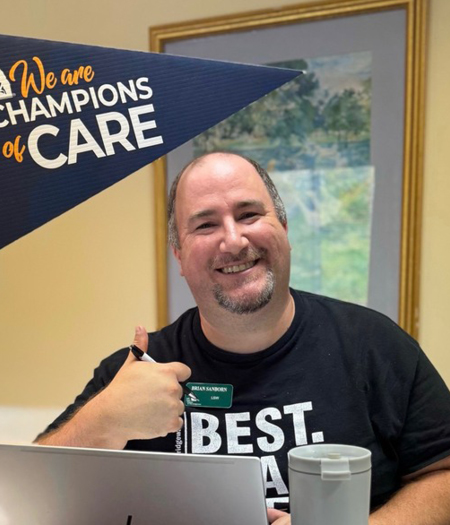
Many aspects of a social worker’s role happen quietly but make a significant impact.
They coordinate behavioral health services, assist with financial and insurance processes, connect residents to community resources, and advocate for those who may not have family support. In some cases, social workers take on complex challenges, like helping residents secure long-term care coverage or navigating guardianship for individuals without decision-making capacity.
Ali Herrera, a social worker at Life Care Center of Sierra Vista, recalled helping an elderly couple who had no support system and faced financial barriers to the care they needed. After months of persistence, she was able to help them secure the necessary resources to remain safely in care.
“It felt really good to be able to help, especially when someone is on the verge of having nowhere else to go,” said Ali.

Despite some of the harder moments, social workers across Life Care share a common motivation — people.
“I love being a social worker. It's just in me,” said Ali. “I'm the type of person who just wants to be supportive and help everybody.”
For Carol, it’s about connection. “They may not remember your name, but they know your face. And they know you care,” she said.
Others echoed the same sentiment. Whether it’s helping someone regain independence, supporting a family through a difficult decision, or simply brightening someone’s day, the work is deeply meaningful.
“You have to have a heart for people,” said Carol. “At the end of the day, we’re here to advocate, to support, and sometimes just to be a friend.”
Life Care Centers of America is hiring in our facilities across the country. We may have some openings in your area - take a look and see if a new career is right for you!
Today Life Care operates or manages more than 200 skilled nursing, rehabilitation, Alzheimer’s and senior living campuses in 28 states.
Life Care Centers of America
3570 Keith St., N.W.,
Cleveland, TN 37312